
Biosurveillance & Pathogen Detection
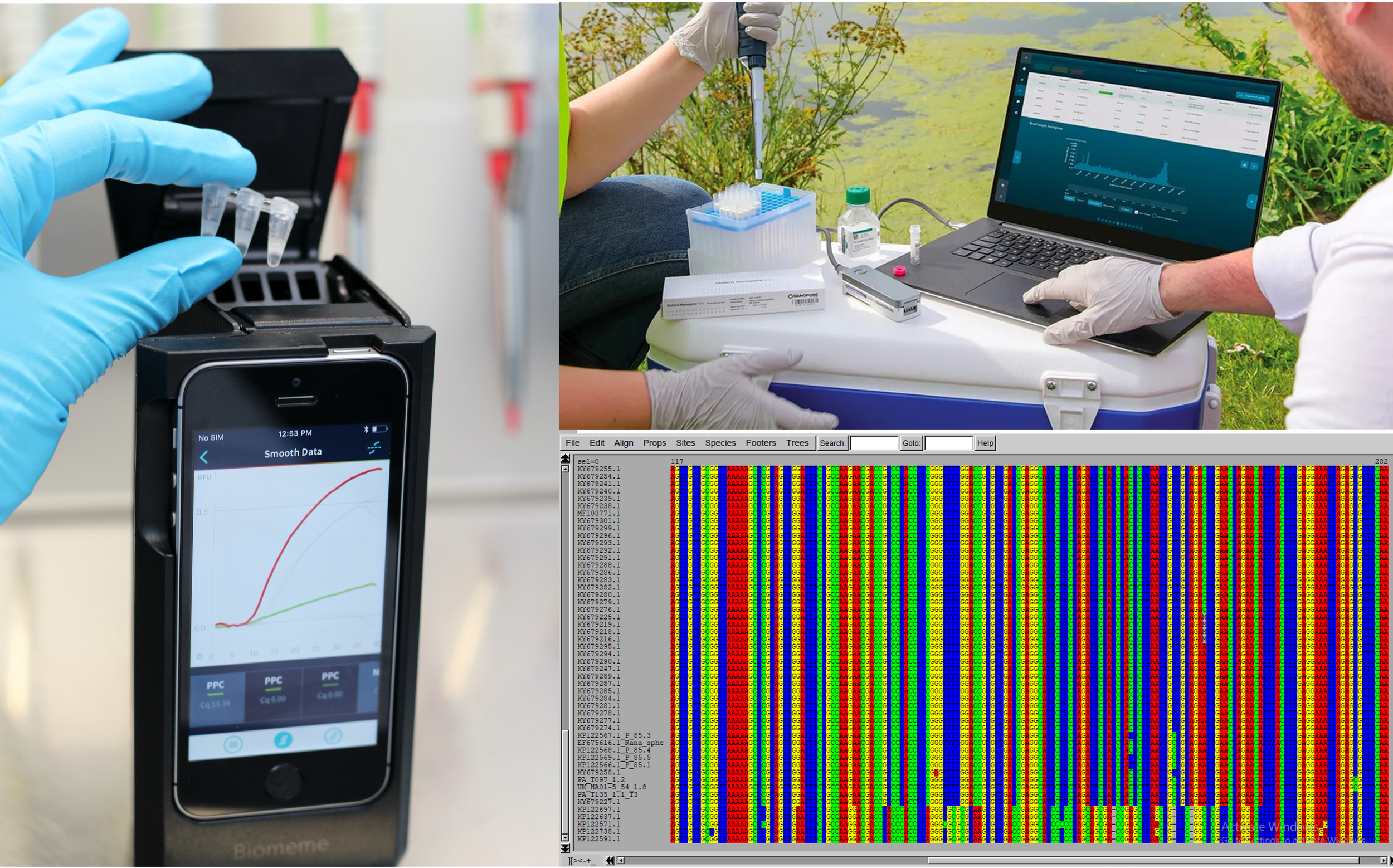
My benchwork focuses on developing assays, protocols, and sequencing workflows for the rapid and sensitive detection of microbial nucleic acids. These approaches can be adapted for field deployment using technologies that enable testing in point-of-care settings and remote environments, including handheld qPCR platforms and portable Nanopore sequencing systems.
I am interested in approaches that enable the simultaneous detection of diverse pathogens through multiplexed assays and agnostic metagenomic sequencing. My work has encompassed viruses, bacteria, and microbial eukaryotes, with applications spanning human, animal, and environmental health.
Featured Resources
A novel duplex qPCR assay for stepwise detection of multiple Perkinsea protistan infections of amphibian tissues
Open Science | 2021 | Journal ArticleSMART-9N Amplification Enabling Rapid Nanopore Sequencing of RNA Viruses
Protocols.io | 2025 | Protocol
Public Health & Biosecurity
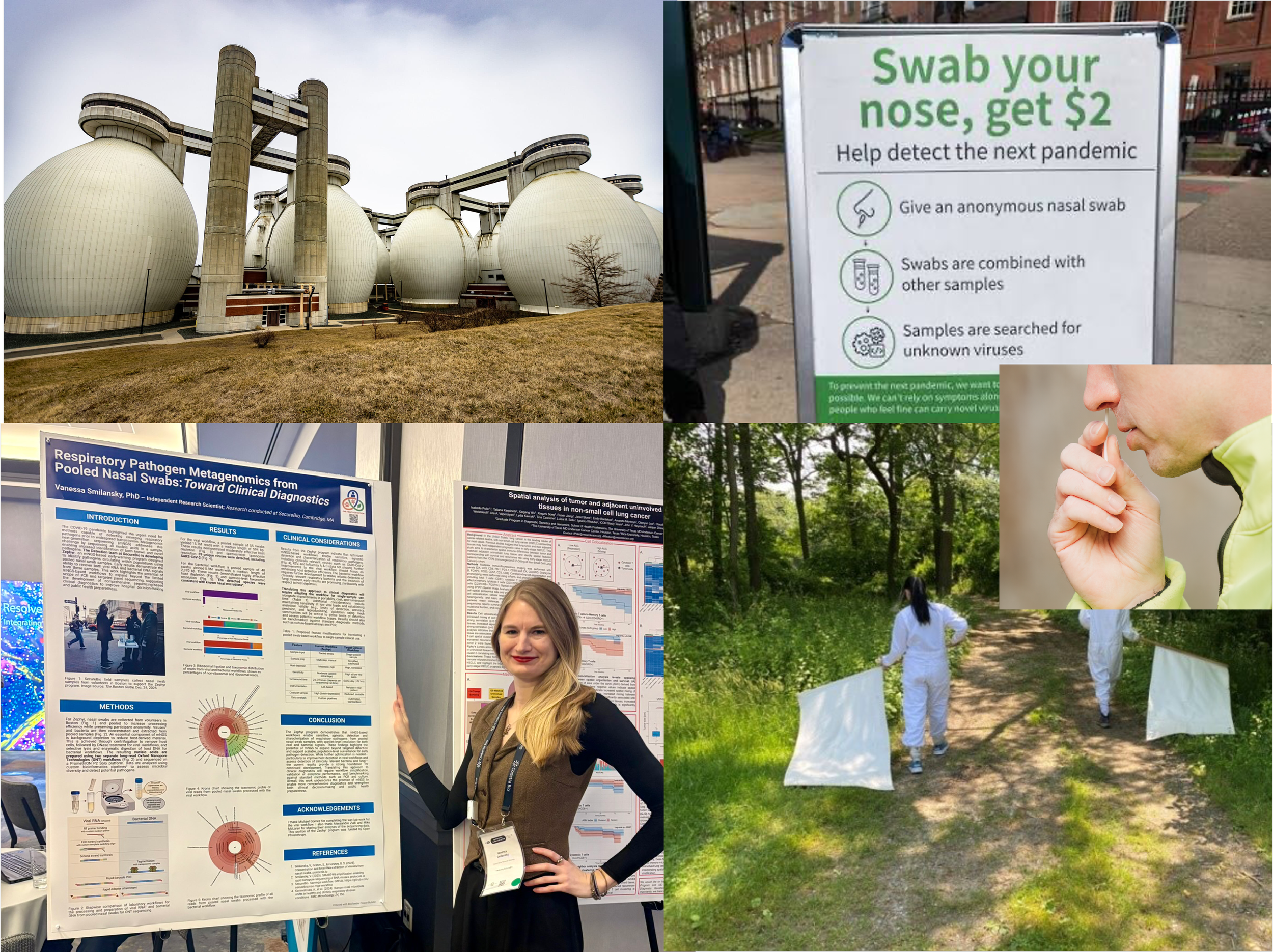
My most recent projects involved pathogen detection for the benefit of public health and biosecurity. I developed agnostic metagenomic sequencing approaches with the ability to detect both known and novel pathogens, including naturally emerging variants and genetically modified organisms. Applied in settings such as hospitals and wastewater systems, these approaches can identify infections early, improving our ability to respond to biological threats before they spread widely.
Looking ahead, I am interested in expanding biosurveillance beyond viruses and bacteria to include microeukaryotes. Although fungi and protists cause significant disease burdens in humans, animals, and agriculture, they remain underrepresented in surveillance efforts. Incorporating these organisms into genomic surveillance frameworks could provide a more complete picture of pathogen diversity and emerging biological threats.
Featured Resources
Respiratory Pathogen Metagenomics from Pooled Nasal Swabs: Toward Clinical Diagnostics
NextGen Omics, Spatial & Data US | 2026 | PosterBenchmarking Three ONT-Based Workflows for Untargeted Sequencing of RNA Viruses in Wastewater
SecureBio | 2025 | Blog Post

Wildlife Disease & Conservation
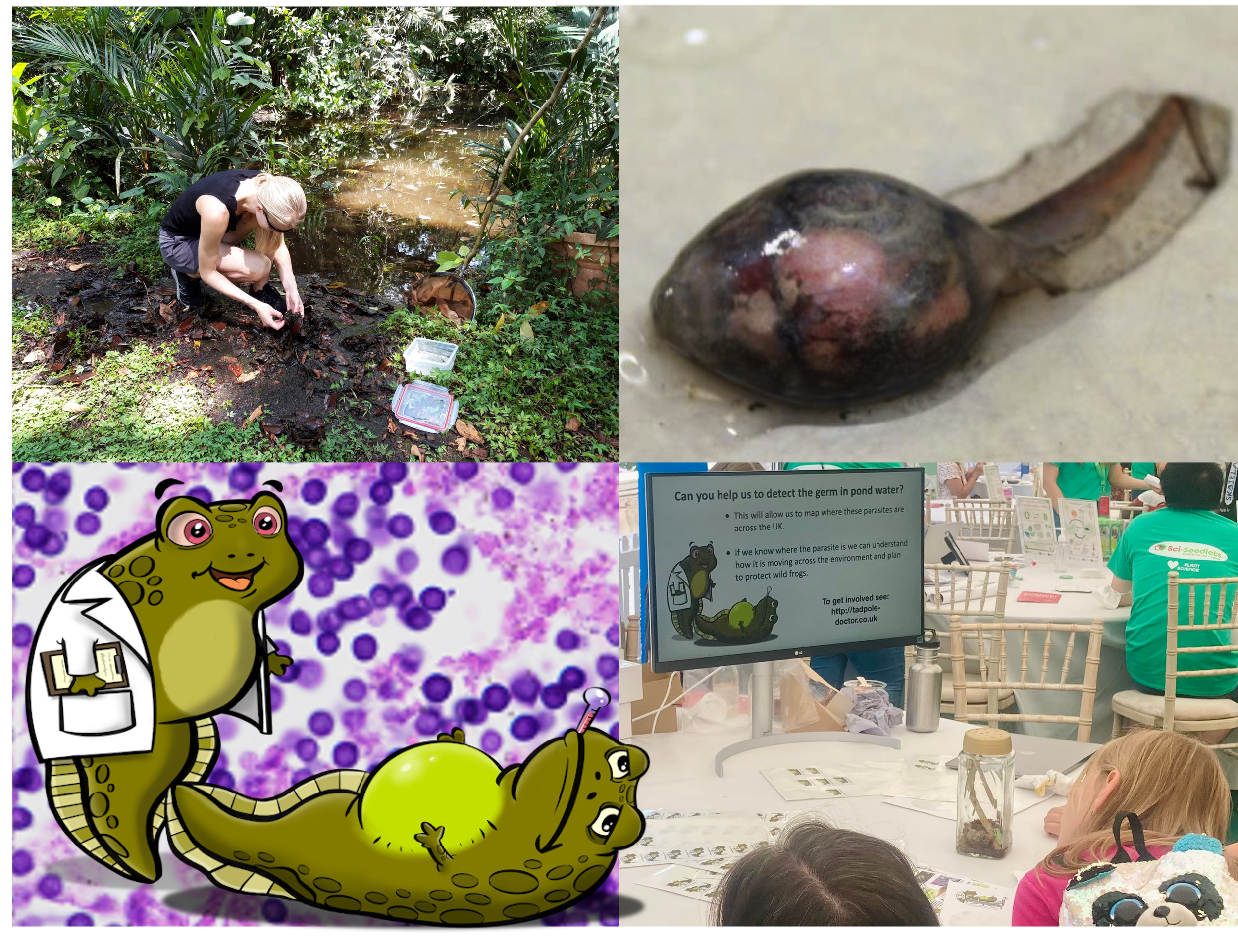
My earlier research examined an emerging protistan pathogen linked to mass die-offs of tadpoles. Through the development and application of molecular diagnostics, I uncovered a broader geographic distribution and host range for the pathogen while advancing understanding of its epidemiology. I also contributed to Tadpole Doctor, a citizen science initiative focused on amphibian health monitoring.
More broadly, I am interested in bringing advances in biosurveillance to wildlife conservation. Many of the same detection tools used in human health can be applied to wildlife populations, where diseases often remain understudied due to limited resources. Expanding surveillance in these systems could improve our understanding of pathogen diversity and disease ecology while strengthening our ability to identify and monitor potential spillover risks.
Featured Resources
Expanded host and geographic range of tadpole associations with the Severe Perkinsea Infection group
Biology Letters | 2021 | Journal ArticleTadpole Doctor
Citizen Science Initiative